Fast Diagnostics First: What Mobile Tinting Solves in Louisville’s Humid Climate
Busy drivers in Louisville lose hours in shop waiting rooms. Mobile window tinting eliminates that waste. A trained technician arrives at a home, garage, or workplace and completes a factory-fit installation on-site. The process solves specific heat and humidity problems that affect Kentucky vehicles. In Jefferson County’s humid subtropical climate, moisture creeps under low-grade films and causes adhesive haze, edge lift, and bubbles. High solar load also raises cabin temperatures, strains AC systems, and fades upholstery. Sun Tint’s mobile crews treat these issues at their source with ceramic window films engineered for high heat rejection and moisture-stable adhesives.
Sun Tint leads with diagnostics before film selection. A VLT meter checks glass light transmission. A visual scan identifies prior film failure, nicked seals, or gaskets that could hold water. A humidity reading of the work area guides drying steps. The technician confirms AS-1 line position for legal top strips and maps any windshield sensor zones to protect ADAS components. This process prevents rework, secures Kentucky tint law compliance, and cuts total time away from meetings, school runs, and errands.
Why Time Savings Are Real for Louisville Drivers
Mobile tinting removes two major delays: driving across town and shop queue times. Traffic near Downtown, NuLu, and the I-65 corridor eats time. So does leaving a vehicle for half a day. On-site service compresses the timeline to active install minutes plus a short curing talk-through. For a sedan with a clean prep surface, a two-person crew with computer-cut patterns averages 60 to 90 minutes. SUVs and coupes with tight gaskets can run 90 to 150 minutes. That time happens while the client works at a desk inside Waterfront Park offices, attends a class at the University of Louisville, or manages a home project in the East End.
Humidity-driven failures are a hidden time cost. Low-grade dyed films and thin adhesives take longer to squeegee dry in Louisville’s summer air. They also fail sooner, which leads to repeat shop visits. Nano-ceramic, non-metallized films seat faster and resist moisture creep. That reduces drying passes, shortens post-install vent times, and minimizes callbacks. The net result is fewer interruptions over the life of the vehicle.
Mobile Window Tinting Louisville KY: Built for Heat, UV, and Signal Clarity
Sun Tint equips mobile units with non-metallized ceramic films to block heat without Bluetooth, GPS, or cellular interference. Nano-ceramic particles absorb and reject infrared (IR) energy, which is the main source of the oppressive cabin heat Louisville drivers feel near Churchill Downs and on summer drives past the Louisville Slugger Museum. Advanced heat rejection films can reduce perceived interior heat by a noticeable margin and protect skin from harmful UV exposure. This matters for commuters stuck by the Poplar Level Road corridor or parents on daily loops in St. Matthews and Middletown.
In practical terms, high-IR ceramic film cuts AC load. Compressors cycle less often in July and August, and dashboards see less thermal shock. The result shows up as steadier cabin comfort and better protection for leather. Seats and trim avoid the premature cracking that plagues unprotected vehicles left in surface lots near the Muhammad Ali Center, UofL garages, or the Waterfront Park events area.
Factory-Fit Finish Without the Shop Wait
On-site quality depends on preparation and precise cutting. Sun Tint uses computer-cut plotters to generate exact patterns for makes and models, which remove guesswork around tight corners and window sweeps. This preserves defroster lines on rear glass and aligns dot matrix edges for a clean border. The process pairs with abrasion-resistant coatings that resist daily use and lower the chance of fine scratches from window cycles.
A heat gun controls film shaping on curved glass, while squeegee tools and microfiber preparation cloths protect surfaces from dust and lint. Each mobile unit carries a stable portable power source to run the plotter, lighting, and heat tools. The technician verifies VLT targets with a calibrated tint meter to hit Kentucky’s front-window requirement and match the rest of the vehicle’s visual profile. This method yields a factory-fit look without the delay or distractions of a shop lobby.
Kentucky Tint Law: Compliance Without Hassle
Kentucky tint law sets a 35% VLT minimum on front side windows, with a 3% variance rule that accounts for instrument tolerances. Mobile installers confirm VLT during diagnostic checks and after installation. The front top strip, also called the sun strip, must sit above the AS-1 line on the windshield. That boundary is etched on most windshields and protects the driver’s view. Sun Tint includes the state-required certified label in the driver’s door jamb on every mobile job. That sticker signals compliance during inspections or traffic stops and prevents confusion about darkness levels.
Clients who commute on I-64, I-71, or I-265 appreciate that clear legal path. It avoids re-tinting, fines, and downtime. Sun Tint’s team explains trade-offs between style and light transmission, and they guide drivers who need stronger glare reduction while staying within the law. For rear windows, darker choices may be possible, depending on vehicle classification. The technician outlines options in simple terms and uses the tint meter to document results.
Humidity-Driven Failures: How Mobile Teams Prevent Them
High humidity in Louisville, especially from May through September, speeds adhesive uptake on cheap films but for the wrong reason. Moisture softens low-grade pressure-sensitive adhesives and traps vapor beneath the film. This produces haze, milky edges, and microbubbles that never clear. It also invites early edge lift near gaskets. Sun Tint’s films use moisture-stable pressure-sensitive adhesive that seats under controlled heat and squeegee pressure. Installers work panel by panel and manage microchannels to exhaust water. They keep the glass and seals clean with lint-free microfiber cloths and switch blades often to avoid dragging grit.
Garage space or a covered carport improves outcomes on sticky days in the Highlands, Old Louisville, or Germantown. If a client only has an open driveway in Prospect or Clifton, the mobile crew brings wind screens and shade structures to stabilize conditions. This level of control prevents the moisture issues that force rework. It also speeds cure times, which is vital for drivers who plan to be at Valhalla Golf Club in the afternoon and downtown by evening.
Brands That Perform in Louisville: From Mass Market to Luxury
Film selection pairs performance with reliability. Sun Tint services mass-market and high-end requests with major brands recognized for clarity and durability. Options include 3M’s Obsidian and Crystalline series, LLumar and SunTek ceramic films, and Solar Gard solutions for cars that need consistent color stability. For luxury and specialist requests, V-KOOL and Madico deliver strong IR blocking and clear optics. Vista films cover scenarios where a client wants a neutral color tone across multiple family vehicles. Paint Protection Film, such as Ceramic Pro’s KAVACA, can be scheduled alongside mobile tint for front bumpers or high-impact areas, which keeps daily drivers in better shape through winter grit and summer construction zones.
Non-metallized construction remains the standard for signal stability. Drivers who rely on Bluetooth calls near Baptist Health Louisville or GPS routing through construction in Jeffersontown (J-Town) keep connections crisp. The technician explains the differences between dyed, carbon, and ceramic film, then recommends a tier based on heat goals, privacy needs, and budget. Carbon film offers a strong color tone and better stability than dyed options. Nano-ceramic film leads for IR rejection and clarity under high sun angles seen along River Road and the East End.
Mobile Workflow: What to Expect at Home or Work
The appointment begins with a walk-around and VLT readings, followed by a check of seals and trim. The technician discusses Kentucky law, desired shade, and glare reduction targets for daily routes on I-65 or through St. Matthews and Middletown. Computer-cut plotter files load while the glass is washed and decontaminated. Any old film removal is quoted up front; removal adds time, especially where UV has baked dye into the rear defroster matrix. For new installs, panels are sized and heat-formed as needed, then applied with clean squeegee strokes to evacuate slip solution. A heat gun seals edges and dot-matrix borders without overcooking the film.
Next comes the legal label in the door jamb and a final VLT verification. The technician reviews aftercare. Windows should remain up for a defined period, usually 48 hours in mild conditions and up to 72 hours in peak humidity. Light haze during cure is normal and clears as moisture vents. The crew leaves the drive or lot clean, with a digital warranty and documentation of shade percentages.
Local Coverage: Neighborhoods, Zips, and Landmarks Served
Sun Tint’s mobile window tinting in Louisville KY covers the full urban and suburban map. The team runs regular routes across 40202 near the business district, 40205 around the Highlands and Cherokee Park, and 40245 across the East End. Drivers in 40223 near Middletown and 40241 near Prospect get premium on-site service without crossing the river or slogging through midday congestion. Coverage includes 40213 and 40218 around Poplar Level Road and Buechel, 40291 in Fern Creek, and 40299 for Jeffersontown. Calls also reach St. Matthews, NuLu, Old Louisville, Germantown, and Clifton.
Neighboring service areas include Southern Indiana locations such as Jeffersonville and New Albany, as well as scheduled blocks in Frankfort, Shelbyville, Mount Washington, Elizabethtown, and Lexington based on crew availability. Clients call from offices near the Muhammad Ali Center and from backyards a few minutes from Valhalla Golf Club. The unit adapts to residential garages, shaded driveways, and commercial lots, so the client’s schedule keeps moving.
Why Mobile Tinting Beats the Traditional Shop Visit for Busy Schedules
Mobile service reduces friction. There is no shuttle arrangement, no rideshare to and from a shop on Poplar Level Road, and no calendar gymnastics to reclaim the vehicle before closing. A meeting can run while the team tints the car outside. Parents can supervise homework in Prospect or St. Matthews as the rear glass cures. Contractors can load for a next-day job while the technician prepares a top strip along the AS-1 line.
This gains another edge during peak heat. A vehicle left in an open shop lot heats up again before pickup. A mobile install at home or a covered garage in the East End allows controlled cool-down and better early cure conditions. That protects the adhesive bond when humidity spikes after a summer thunderstorm moves across Jefferson County.
Technical Depth: Materials, Tools, and Measured Performance
Automotive window film performance hinges on stack construction. Quality ceramic film layers a hard abrasion-resistant coating on the exterior side, which resists cleaning swirls. The base film houses the nano-ceramic particles that attenuate IR radiation. A clear adhesive layer secures bond strength to tempered or laminated glass. The liner protects adhesive until application. Non-metallized construction maintains RF transparency to avoid signal disruption.
In practice, drivers notice three results. First, a clear drop in dash-surface temperatures after parking near the University of Louisville on a mid-July afternoon. Second, a reduction in glare on early morning I-64 eastbound commutes. Third, a slower fade rate in seat bolsters. A quality film blocks nearly all UV wavelengths that damage skin and interior materials. Over three to five summers, that protection prevents brittle seams and cracked vinyl that would otherwise appear earlier under Kentucky sun and humidity cycles.
On the tool side, mobile units rely on calibrated tint meters for VLT verification, heat guns with fine control to avoid thermal stress on defroster grids, and premium squeegee tools that maintain a clean edge. Microfiber preparation cloths avoid lint; this reduces trapped fibers that can create micro-haze or specks. Plotter-cut templates reduce blade passes on glass, which protects seals and lowers the risk of fine scratches.
Common Louisville Use Cases and Edge Cases
Corporate commuters downtown need fast installs during work hours. Sun Tint schedules lunch-window appointments near Waterfront Park and the NuLu corridor. Parents in Fern Creek time installs between school drop-off and pickup. Enthusiasts in Old Louisville care about dot matrix management and neutral color. Rideshare drivers prefer higher rear privacy within legal allowances to reduce glare and protect passengers from sun exposure.
Edge cases include vehicles with aftermarket stereos and dash cams that require careful wire routing near A-pillars. The technician documents wire paths to avoid dislodging components while prepping front windows. Another case is vehicles with aftermarket windshield replacements that shifted the visible AS-1 line. The team measures and adjusts the top strip to remain compliant. For older cars, brittle seals near Clifton and Germantown garages call for slower squeegee pressure and added drying passes to avoid pulling debris along the edges.
Carbon vs Ceramic vs Dyed: Making a Smart Choice
Dyed film offers a uniform look at a lower price, but it absorbs heat into the glass and can color-shift faster in Louisville’s sun. Carbon film improves stability and supports a deep tone without metallic content. Ceramic film leads for IR rejection, clarity, and long-term color stability. For clients who park daily at surface lots near Baptist Health Louisville or Valhalla Golf Club, ceramic’s IR drop helps the most. The team often recommends a ceramic front and carbon rear mix when a client targets a budget yet wants strong heat relief where it matters most for driver comfort.
Vehicle Types and Typical Timing
Sedans and crossovers form the core of mobile window tinting in Louisville KY. Clean glass and no prior film removal put most of these installs in the 60 to 120-minute range. Large SUVs with split rear glass panels can take up to 150 minutes. Two-door coupes with frameless windows need careful door seal protection and extra shaping time. Work vans with wide panes allow quicker placements but benefit from higher VLT to preserve visibility in loading zones. The technician sets expectations at booking and confirms again at arrival, which helps clients plan meetings or errands around the work window.
Sun Strip and Windshield Considerations
The top strip above the AS-1 line reduces glare during sunrise and sunset through the River Road and East End corridors. The installer sizes the strip to the vehicle’s curvature and sensor clusters. Many modern windshields house rain sensors, lane cameras, and heated zones. The team avoids obstructing these components. Full windshield films are a separate conversation because Kentucky law and safety factors limit options. For drivers who need more comfort, a legal-width sun strip in a ceramic series often delivers the best result without trade-offs.
Mobile Quality Controls: From Prep to Warranty
Quality rests on repeatable steps. The team stages a clean area, checks weather, sets wind screens if needed, and verifies power. Patterns print from the computer-cut plotter, then glass prep begins. A final inspection follows installation to verify edge seals, dot matrix seating, and VLT. Photos document the work, and the invoice includes brand, series, and shade for warranty claims. A lifetime warranty on film and labor covers typical defects like bubbling or color change. In Louisville’s climate, this warranty is not a formality; it is protection against humidity-induced failures that appear in lesser films within a year or two.
Add-On Services: Paint Protection Film and Smart-Home Tie-Ins
Many clients pair mobile tint with Paint Protection Film on front bumpers, mirrors, and hood edges. PPF helps along I-265 construction and gravel patches near suburban builds in 40245 and 40223. Ceramic Pro KAVACA options are available upon request. Although automotive and architectural projects differ, Sun Tint’s advisors can coordinate quotes for home window film in the same call. UV and IR control on residential glass makes sense for homes in Prospect and the East End where large south-facing panes push summer cooling loads. Scheduling back-to-back site visits saves even more time for clients juggling work and family demands.
Neighborhood Notes: What Louisville Drivers Report
Highlands drivers mention less afternoon eye strain after ceramic installs, especially on Bardstown Road runs. St. Matthews commuters see steadier AC performance during July heat waves. Middletown and East End residents report better child comfort in car seats on midday errands. Prospect owners of luxury models prefer V-KOOL or Madico ceramic for neutral color and glass-like clarity. Downtown professionals near the Waterfront Park appreciate that a mobile team completes the work while they handle calls and emails without a break in the day.
Cost, Value, and Practical Trade-Offs
Mobile installs carry a small convenience premium relative to shop work, which is offset by saved hours and reduced travel. Ceramic film costs more than dyed or carbon films but pays back in lower AC strain and better interior preservation. The difference shows up each summer and compounds over several years in reduced upholstery repair and improved driving comfort. Drivers who plan to keep a vehicle for four to seven years benefit most from a ceramic selection. For short leases, carbon might make sense as a visual and glare solution, provided signal stability is maintained and legal VLT is met.
Aftercare in Louisville’s Humidity
After installation, windows should remain closed for the initial cure period. Do not touch the edges or attempt to push out any residual moisture during the first few days. Light haze is normal and resolves as microchannels vent. Clean with ammonia-free spray and a soft microfiber cloth. Avoid abrasive pads. In peak humidity or after heavy rain, allow extra time before the first window cycle. If a bead appears at an edge, contact the team for a quick check. Early attention prevents a small issue from becoming a visible lift line.
Mobile Window Tinting Louisville KY: Service Snapshot
- On-site installs across 40202, 40205, 40213, 40218, 40223, 40241, 40245, 40291, and 40299, including Highlands, St. Matthews, Middletown, East End, NuLu, Old Louisville, Germantown, Clifton, Prospect, Fern Creek, and Jeffersontown.
- Ceramic, carbon, and select dyed films from brands such as 3M (Obsidian, Crystalline), LLumar, Solar Gard, SunTek, V-KOOL, Vista, and Madico; PPF options including Ceramic Pro KAVACA.
- Computer-cut plotters for factory-fit patterns; non-metallized nano-ceramic films for zero GPS and Bluetooth interference.
- Kentucky compliance: 35% VLT front with 3% variance rule, legal top strip above the AS-1 line, state-certified label in the driver’s door jamb.
- Lifetime warranty on film and labor, free estimates, and same-day mobile availability when routes allow.
How to Prepare a Vehicle for a Faster Mobile Install
- Park in a garage or shaded area when possible to stabilize temperature and humidity.
- Remove child seat covers, dash covers, and rear cargo items that contact glass.
- Wash exterior glass the day before if convenient; the team will still prep, but cleaner starts save minutes.
- Plan for windows to remain up for 48 to 72 hours depending on humidity.
- Have keys and remote access ready; disable auto window roll-down during door open if the vehicle supports it.
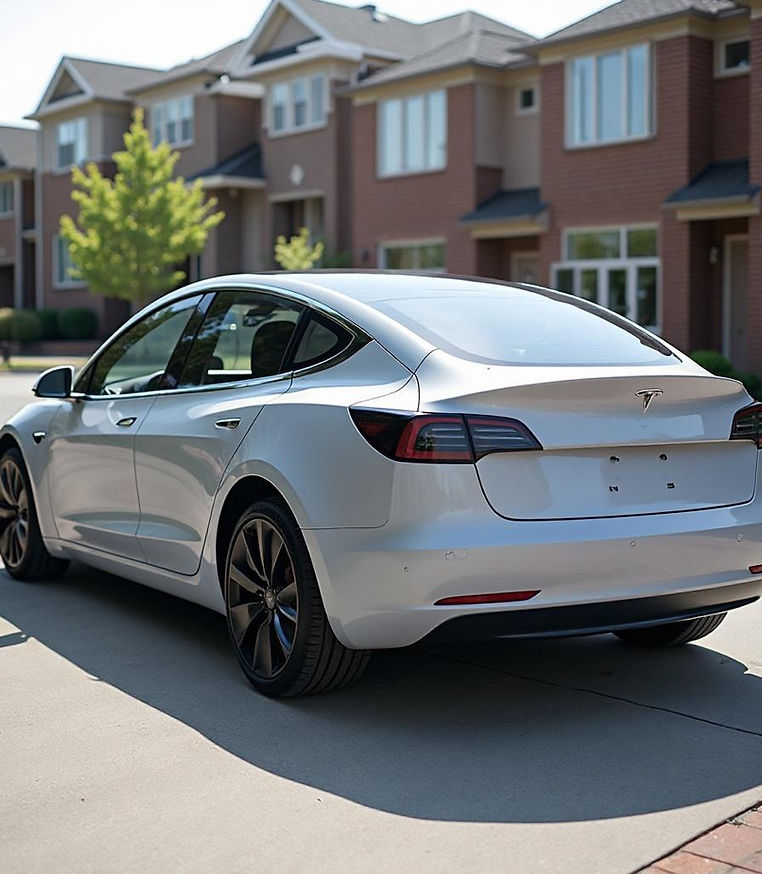
Why Drivers Choose Sun Tint for Mobile Service
Sun Tint has served Louisville since 1986 with consistent quality and a calm, technical approach. The brand’s mobile teams bring the same standards used in the Poplar Level Road shop to driveways, parking lots, and garages across Jefferson County. Every job includes legal labeling, documented VLT, and a lifetime warranty. The company’s film portfolio ranges from mass-market favorites to high-end ceramic films with strong IR blocking for true heat relief. Drivers value the efficient schedule, controlled installs in humid conditions, and guidance on Kentucky law that prevents guesswork.
For busy professionals near Downtown and NuLu, parents in Fern Creek, and luxury owners in Prospect and St. Matthews, mobile window tinting does more than save a commute. It preserves interior value, protects skin from UV, reduces glare on the I-64 and I-65 corridors, and cuts AC strain in July heat. That is the practical payoff for a service that fits into a lunch break or a quiet hour at home.
Book a Mobile Appointment
Request a free estimate and ask about same-day mobile car tinting. Share the vehicle year, make, model, parking conditions, and target shade. An advisor will recommend ceramic, carbon, or specialty options from brands such as V-KOOL, Vista, Madico, 3M, LLumar, Solar Gard, and SunTek, and confirm legal compliance for Kentucky’s 35% VLT standard. If desired, add Paint Protection Film service in the same visit. Mobile window tinting in Louisville KY is available across all major neighborhoods, with routes that also reach New Albany and Jeffersonville in Southern Indiana, plus scheduled days in Lexington, Frankfort, Shelbyville, Elizabethtown, and Mount Washington.
Sun Tint coordinates around work calendars, school pickups, and event days at Churchill Downs or Waterfront Park. The mobile team arrives prepared, finishes with a factory-fit finish, applies the certified label, and leaves a clean space and a clear car. That is how busy Louisville drivers save time while upgrading comfort and protection.
professional mobile tinting KY
Sun Tint
4511 Poplar Level Rd, Louisville, KY 40213, United States
Phone: +1 502-254-0001
Products and Services: sun-tint.com
Map: View on Google Maps
Hours:
- Wednesday: 7am–8pm
- Thursday: 7am–8pm
- Friday: 7am–8pm
- Saturday: 7am–8pm
- Sunday: 7am–8pm
- Monday: 7am–8pm
- Tuesday: 7am–8pm